Mastering the Art of Creating Your Own Gang Sheet
In the world of custom apparel decoration, the ability to efficiently manage designs and prints is crucial for business growth and customer satisfaction. A "gang sheet" plays a vital role in this process by allowing you to combine multiple designs into a single print run, maximizing material use and reducing costs. This guide will provide you with comprehensive insights into creating your own gang sheet, tailored specifically for business owners and creative individuals involved in apparel decoration. As you embark on this journey, you will discover the benefits, techniques, and best practices that can help streamline your printing process.
Understanding the significance of a gang sheet is essential for anyone in the apparel decoration industry. Not only does it help in reducing waste, but it also allows for quicker turnaround times, an essential factor for meeting customer demands. With the increasing popularity of custom designs for t-shirts, hoodies, and other apparel, having a well-structured gang sheet can make a noticeable difference in your production efficiency. In this article, we will delve into the intricacies of building a gang sheet, addressing common challenges and providing solutions to optimize your workflow.
Moreover, as the market continues to evolve, the need for high-quality prints without minimum order requirements is more pronounced than ever. Whether you're a small business owner or an independent creator, mastering the art of gang sheets can position you favorably against competitors. This guide aims to equip you with the necessary knowledge and skills to create effective gang sheets that cater to your specific needs while ensuring quality and efficiency.
Understanding Gang Sheets and Their Importance
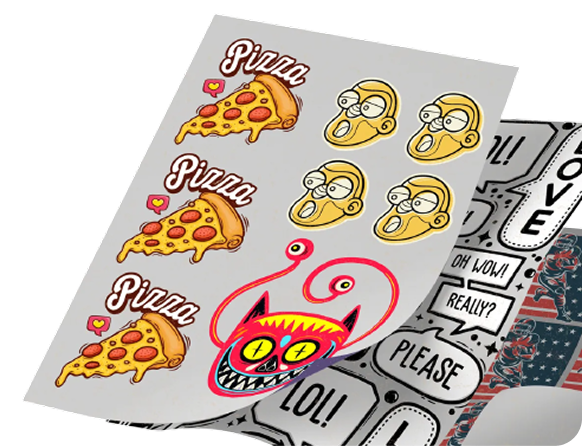
A gang sheet is essentially a layout that combines multiple designs on a single sheet of transfer material. This method is instrumental in reducing printing costs and optimizing material use. By grouping various designs together, you can save on setup time and materials, which is particularly advantageous for small to medium-sized businesses that need to maintain cost efficiency. The benefits of utilizing gang sheets extend beyond just financial savings; they also contribute to faster production times and increased flexibility in order management.
For instance, if you're running a custom t-shirt business, instead of printing each design separately, you can arrange several designs on one gang sheet, reducing the number of print runs. This not only enhances your productivity but also minimizes the risk of errors between batches. Furthermore, a well-planned gang sheet allows for better inventory management; you can print exactly what you need, when you need it, without the fear of excess waste.
In addition to cost and time benefits, gang sheets can also improve the quality of your prints. Consistent pressure and temperature across the entire sheet can lead to more uniform results, reducing the chances of discrepancies that may occur when printing each design individually. This level of quality is essential for maintaining customer satisfaction, especially in a competitive market where consumers demand high standards.

What to Include in Your Gang Sheet
When creating a gang sheet, the first step is determining what designs will be included. Choosing designs that complement each other in terms of color and size can enhance the overall appeal of the final product. Considerations should also include the printing method you are using, as different techniques may require specific layouts. For example, screen printing may necessitate a different arrangement compared to direct-to-garment (DTG) printing.
Another key aspect to consider is the size of the gang sheet itself. Depending on the capabilities of your printing equipment, you may have limitations on the maximum dimensions of your gang sheet. It's crucial to have a clear understanding of these specifications to ensure that all included designs fit within the printable area. Additionally, maintaining a margin around each design can prevent any unwanted cut-offs during the printing process. EazyDTF services
Designing Your Gang Sheet
Once you have selected the designs to include, the next step is to lay them out effectively on your gang sheet. Utilizing design software like Adobe Illustrator or specialized DTF printing software can help streamline this process. These tools allow you to experiment with various arrangements and sizes, ensuring that each design is optimally placed to maximize the use of the sheet. When arranging the designs, consider their spacing and orientation to avoid any overlap that could compromise the quality of your prints.
Additionally, it’s essential to account for any necessary bleed areas when designing your gang sheet. Bleed refers to the area beyond the trim line that allows for slight misalignments during cutting, ensuring that the final printed product does not have any unprinted edges. Including adequate bleed can significantly enhance the professionalism of your finished items.
Testing and Adjusting Your Gang Sheet
Before committing to a full production run, it’s wise to conduct tests of your gang sheet. This preliminary step allows you to identify any potential issues and make necessary adjustments before finalizing your layout. Testing can involve printing a sample of the gang sheet to check for color accuracy, alignment, and overall quality. Be sure to review the output carefully and make any necessary tweaks to improve the final result.
Moreover, gathering feedback from team members or trusted clients can provide valuable insights, helping you refine your gang sheet further. This collaborative approach can lead to innovative ideas that enhance your design process and overall efficiency. Always be open to adjustments as you learn from each test run, as this iterative process will lead to better results over time.
Best Practices for Efficient Gang Sheet Production
To maximize the effectiveness of your gang sheets, implementing best practices can significantly streamline your production process. First and foremost, maintaining an organized system for your designs will save time during the layout phase. Create a library of your designs categorized by themes, sizes, or popularity to make it easier to select designs for future gang sheets quickly.
Another best practice is to standardize your processes as much as possible. Establishing templates for gang sheets will allow you to replicate successful layouts with minimal effort. This not only saves time but also ensures consistency in your productions, which is vital for brand integrity. Additionally, consider investing in high-quality materials for your gang sheets to ensure durability and vibrant prints. dtf transfers
Streamlining Communication with Your Team
Effective communication is crucial in any production environment. When multiple team members are involved in the gang sheet creation process, having clear guidelines and expectations can prevent misunderstandings and errors. Regular team meetings to discuss upcoming projects, design changes, and production timelines will keep everyone on the same page and foster a collaborative atmosphere.
Moreover, utilizing project management tools can help track progress and facilitate communication. Tools such as Trello or Asana can organize tasks, set deadlines, and provide a visual overview of each project. This level of organization will enhance accountability and efficiency, ensuring that your gang sheets are produced on time and meet quality standards.

Regularly Reviewing and Updating Your Designs
As trends in the apparel industry evolve, it’s essential to keep your designs fresh and relevant. Regularly reviewing your gang sheets will ensure that you are utilizing current designs that resonate with your target audience. Consider conducting seasonal reviews where you assess the performance of various designs and make necessary updates to your gang sheets accordingly.
Incorporating customer feedback into this review process can also provide valuable insights. Engaging with your customers about their preferences can help you tailor your designs to better meet their needs. By staying proactive in your design updates, you can maintain a competitive edge and keep your offerings attractive to potential buyers.
Challenges in Creating Gang Sheets and How to Overcome Them
Like any production method, creating gang sheets comes with its own set of challenges. One common issue is the potential for misalignment during the printing process, which can lead to wasted materials and time. To mitigate this risk, ensure that your printing equipment is properly calibrated and regularly maintained. Performing routine checks can help identify any mechanical issues that could affect alignment.
Another challenge may arise from design complexity. Intricate designs can be difficult to fit together in a gang sheet without sacrificing quality. In such cases, simplifying designs or breaking them into separate gang sheets can help maintain print quality while still achieving cost savings. Finding a balance between complexity and efficiency is crucial for successful gang sheet production.
Managing Production Flow
Efficient management of production flow is vital to overcoming challenges associated with gang sheet production. Establishing a clear workflow that outlines each step of the process—from design selection to final printing—will help identify bottlenecks and areas for improvement. Consider implementing lean manufacturing principles, such as minimizing waste and improving workflow efficiency, to optimize your production process further.

Regular team training sessions can also enhance overall production flow. By equipping your team with the skills needed to adapt to challenges, you can foster a culture of continuous improvement that drives efficiency in your gang sheet creation process. Encouraging a proactive mindset among your staff can lead to innovative solutions that enhance productivity.
Leveraging Technology for Improved Gang Sheets
In today's digital age, leveraging technology can significantly enhance your gang sheet production capabilities. Utilizing software solutions specifically designed for print management can streamline the layout process, reduce errors, and improve overall efficiency. Programs like CorelDRAW or specialized gang sheet software can automate many aspects of the design process, freeing up your time for creative endeavors.
Additionally, integrating your design software with printing hardware can facilitate a seamless workflow from design to production. This level of integration can help eliminate manual entry errors and expedite the production timeline. Staying updated on technological advancements in the printing industry will ensure that you are utilizing the best tools for your gang sheet production needs.
Table of Gang Sheet Dimensions and Applications
| Application | Recommended Sheet Size | Typical Designs per Sheet |
|---|---|---|
| Custom T-Shirts | 13” x 19” | 6-8 Designs |
| Hoodies | 14” x 20” | 4-6 Designs |
| Sports Jerseys | 16” x 24” | 2-4 Designs |
| Accessories (e.g., bags) | 12” x 16” | 5-7 Designs |
| Promotional Items | 11” x 17” | 8-10 Designs |
This table provides a quick reference guide for different gang sheet applications, recommended dimensions, and the number of designs that can typically be included. Understanding these dimensions can help you optimize your layout for specific product lines, ensuring that you maximize efficiency and quality in your printing process.
Pros and Cons of Using Gang Sheets
- Pros:
- Cost Efficiency: By consolidating multiple designs onto a single sheet, businesses can significantly reduce printing costs.
- Time Savings: Fewer print runs mean quicker turnaround times, enabling businesses to meet customer demands more effectively.
- Reduced Waste: Gang sheets minimize material waste, allowing for better resource management and environmental sustainability.
- Consistent Quality: Printing multiple designs together ensures uniform pressure and temperature, leading to high-quality outputs.
- Cons:
- Design Complexity: Intricate designs may require careful arrangement to maintain quality, which can be time-consuming.
- Potential for Misalignment: Improper calibration of printing equipment can lead to misalignment and wasted materials.
- Limited Design Flexibility: Some designs may not fit well together, necessitating multiple gang sheets, which can negate some efficiency benefits.
When weighing the pros and cons of gang sheets, it is essential to consider how these factors align with your business goals. While the cost and time savings are significant advantages, the potential challenges must also be addressed through proper planning and execution. Balancing these factors will ultimately help you determine the best approach for your gang sheet production needs.

Frequently Asked Questions
- What is a gang sheet?
A gang sheet is a layout that combines multiple designs onto a single sheet of transfer material for printing. This method helps reduce costs and improve efficiency in the printing process.
- How do I create an effective gang sheet?
Creating an effective gang sheet involves selecting complementary designs, using appropriate software for layout, and testing the sheet for quality before full production. Regular reviews and updates to your designs will also enhance effectiveness.
- What are the benefits of using gang sheets?
The main benefits of using gang sheets include cost efficiency, reduced waste, faster production times, and improved print quality. They are an excellent solution for businesses looking to streamline their printing process.
Conclusion
In conclusion, mastering the art of creating gang sheets is an invaluable skill for anyone in the custom apparel decoration industry. By understanding the importance of gang sheets and implementing best practices, you can optimize your production process to achieve significant cost savings and efficiency gains. From selecting the right designs to leveraging technology, the insights provided in this guide aim to empower you to create high-quality gang sheets that meet your business needs. EazyDTF apparel prints
As you continue to refine your gang sheet production process, remember to stay adaptable and open to new techniques and technologies. Regularly reviewing and updating your designs, maintaining clear communication with your team, and addressing challenges proactively will position you for success in this competitive market. Ultimately, a well-executed gang sheet strategy will not only enhance your operational efficiency but also contribute to higher customer satisfaction and business growth.


